Thinking about trading New Pekin’s quiet roads for Indianapolis energy? You are not alone. The move is exciting, but it comes with a shift in pace, budget, and daily routines. In this guide, you will learn what to expect, how to plan your costs, where to start your home search, and the exact steps to make the move smooth. Let’s dive in.
What changes when you move
Leaving a rural community for Indiana’s largest city means new rhythms. You will likely go from car-first errands and light traffic to a mix of driving, rideshare, walking, and transit. Downtown and near-downtown neighborhoods are more compact, which can put restaurants, parks, and entertainment closer to home.
You should also plan for tradeoffs. Central neighborhoods often have higher price-per-square-foot, possible parking fees, more activity and noise, and smaller private yards. In return, you gain access to jobs, culture, and a denser mix of amenities within a short drive or walk.
Before you choose a home, test-drive your commute at the hour you will actually travel. Routes can include I-65, I-70, I-465, and connecting surface streets, and travel time varies by neighborhood and time of day.
Build a realistic budget
A smart move starts with a clear budget. Instead of locking in fixed numbers, list your categories and gather live quotes.
- Moving costs: movers or truck rental, packing supplies, and possible storage. Get three quotes and compare hourly versus flat-rate pricing.
- Housing move-in: security deposit and first month’s rent if leasing, or down payment and closing costs if buying. Add HOA fees for condos, pet deposits, and any furniture you need.
- Utilities and services: setup or deposits for electric, gas, water, trash, and internet. Add renters or homeowners insurance.
- Urban living costs: potential parking fees or permits, transit passes, and a different spend on groceries, dining, and entertainment.
If you are undecided on renting versus buying, think about flexibility, upfront costs, and how long you plan to stay. Renting can offer speed and lower upfront cash. Buying adds equity growth and stability, along with taxes, maintenance, and possible HOA dues. Check current rental and sale listings in your target neighborhoods to set your own ranges.
Starter neighborhoods to explore
Use the profiles below as a short list for your scouting trip. Each offers a different vibe and housing mix.
Fountain Square
- Character: artsy, energetic, and walkable with nightlife, creative businesses, and galleries.
- Housing: apartments and historic conversions, plus some single-family homes near the edges.
- Fit: good if you want a lively scene, short hops to dining and music, and the option to bike or walk for errands.
- Practical notes: mix of on-street and lot parking. Check noise levels at night and confirm your building’s parking plan.
Mass Ave Arts District
- Character: dense retail, restaurants, theaters, and galleries in a strong pedestrian setting.
- Housing: apartments and lofts above retail, plus historic residential blocks nearby.
- Fit: ideal if you want a true urban mixed-use lifestyle and immediate access to culture.
- Practical notes: expect structured or permit parking. Explore IndyGo routes in the area for quick trips.
Fletcher Place
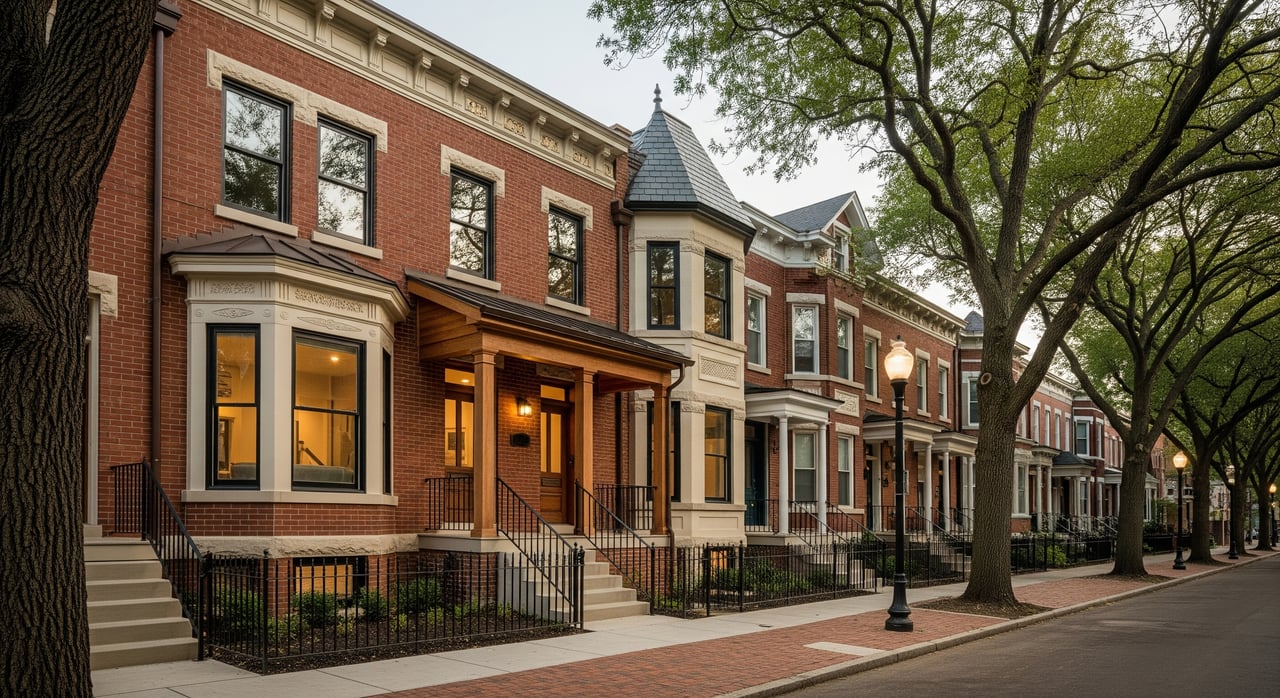
- Character: historic brick homes and tree-lined streets with boutique restaurants close by.
- Housing: restored row houses, apartments, and smaller single-family homes.
- Fit: a good balance if you want neighborhood charm with easy access to downtown.
- Practical notes: on-street parking varies by block. Visit during both commute hours and evenings.
Old Northside and Downtown Core
- Character: Old Northside features historic homes, while the Wholesale District and Canal area lean apartment and condo.
- Housing: luxury condos, newer apartment towers, and restored single-family properties.
- Fit: best if you want proximity to office hubs and riverwalk or Canal amenities.
- Practical notes: some buildings require move-in reservations and elevator bookings. Ask about monthly parking options.
Near Eastside and Chatham-Arch
- Character: a mix of budget-friendly options with pockets of ongoing investment and cultural access.
- Housing: small single-family homes and more affordable rentals.
- Fit: strong pick for budget-conscious movers who still want short commutes and central access.
- Practical notes: check transit routes, grocery access, and parking on your specific block.
Garfield Park and Near South
- Character: more residential with easy access to park space while staying close to downtown.
- Housing: single-family homes, duplexes, and apartments.
- Fit: appealing if you want green space with city proximity.
- Practical notes: review parking on your street and ask about commuting patterns to your work location.
Pro tip: do a quick “day in the life” test. Start a morning coffee run, try the commute, grab groceries, and loop back in the evening. That rhythm will tell you a lot about fit.
Commute and daily travel
Indianapolis is drivable, but your experience will depend on where you live and work. Main arteries include I-65, I-70, and I-465, plus surface streets that can be faster during peak hours depending on your route.
- Test the drive: visit at your actual commute time and track how long it takes door to door.
- Parking: some central buildings include on-site parking, while others rely on on-street spaces or nearby garages. If your move involves a large truck, you may need to coordinate a temporary permit or loading space with the City of Indianapolis or your property manager.
- Transit: explore IndyGo routes, including the Red Line bus rapid transit corridor, which serves several central neighborhoods and connects to key destinations.
Step-by-step timeline
Ideal 8 to 12 weeks out
- 8 to 12 weeks: Research neighborhoods, set your budget, and start decluttering. If buying, get pre-approved.
- 6 to 8 weeks: Schedule tours or a scouting visit. Select a neighborhood, start rental or loan applications, and gather references if required.
- 4 to 6 weeks: Book movers or a truck after getting three estimates. Pack non-essentials. Notify your landlord or prepare to list your current home if selling.
- 2 to 3 weeks: Confirm your move date. Set up utilities and internet. File mail forwarding with USPS. Arrange medical, school, and pet record transfers. Check timing for driver’s license and vehicle registration updates.
- 1 week: Pack an essentials box with documents, chargers, and first-night items. Confirm elevator or loading dock reservations. Collect keys and plan your final walkthrough.
- Moving day: Keep important documents with you. Supervise unloading and check item conditions as they arrive.
Condensed 2-week plan
- Week 1: Secure housing, book movers or a truck, and set up utilities and internet. File mail forwarding. If needed, arrange short-term storage or furnished housing.
- Week 2: Pack essentials, coordinate building move-in rules, confirm parking and permits, and run a last commute test.
Your moving checklist
Use this as a quick, printable list you can customize.
- Housing and lease or loan
- Finalize your lease or loan. If a condo, review HOA rules. Confirm pet policies and deposits.
- Transportation and driving
- Plan parking at your home and workplace. Update your driver’s license and vehicle registration with the Indiana BMV within the required timeframe.
- Utilities and services
- Set up or transfer electric, gas, water or sewer, trash, and internet. Confirm provider options at your specific address.
- Mail and subscriptions
- File a USPS change of address and update banks, credit cards, employers, and subscriptions.
- Insurance and healthcare
- Update renters or homeowners insurance and auto insurance. Choose a primary care provider and transfer prescriptions.
- Schools and records
- Request student records and immunizations. Review enrollment zones for Indianapolis Public Schools and charter options.
- Pets
- Transfer veterinary records, check licensing needs, and save emergency vet contacts near your new address.
- Neighborhood data and routines
- Review official crime data from local police resources. Visit your block at different times of day and locate essentials like grocery stores and pharmacies.
- Moving logistics
- Reserve elevator or loading dock time if needed. Confirm building move-in windows and any truck size limits.
- Day-of support
- Arrange childcare or pet care. Prepare snacks, water, and a basic toolkit for move day.
- Local contacts to note
- City of Indianapolis parking and permit offices, IndyGo for routes and passes, Indiana BMV, USPS, Indianapolis Metropolitan Police Department, local utilities, and reputable moving companies or truck rentals.
How a local guide helps
A smooth move comes down to two things: good information and quick decisions. A local agent who works central Indianapolis every day can help you compare neighborhoods, read building rules, plan parking, and structure a budget that actually matches current listings. You get objective guidance on rent versus buy, plus a shortlist of homes that fit your commute, amenities, and must-haves.
If you are relocating from New Pekin, you do not need a long learning curve. You need clear options and fast action. When you are ready, connect with Mariah Barlow to map your neighborhood fits, tour priority homes, and lock in a move date with confidence.
FAQs
How far is the move from New Pekin and which routes are typical?
- Distance and time depend on your destination neighborhood and traffic conditions, with I-65, I-70, and I-465 serving as primary corridors into central Indianapolis.
Which Indianapolis neighborhoods are best for walkability and culture?
- Fountain Square and the Mass Ave Arts District offer strong walkability and access to dining, galleries, and entertainment, with apartments and loft-style options.
How do parking and permits work for a downtown move?
- Some buildings require elevator reservations and loading dock scheduling, and you may need a temporary on-street permit coordinated with the City of Indianapolis or your property manager.
Should I rent or buy first when relocating from a rural area?
- Renting provides flexibility and lower upfront costs, while buying offers stability and equity building but adds down payment, closing costs, taxes, and maintenance.
What transit options will I have after moving?
- IndyGo serves central neighborhoods with bus routes, including the Red Line bus rapid transit corridor that connects several near-downtown areas.
How do I update my driver’s license and registration after moving?
- Follow Indiana BMV rules for updating your driver’s license and vehicle registration within the required timeframe for new residents of Marion County.
What should I know about schools when moving to Indianapolis?
- Review Indianapolis Public Schools enrollment zones and available charter options, and request student records and immunization documents before you move.
How can I estimate my moving costs accurately?
- Get three quotes from moving companies, compare hourly versus flat-rate pricing, and consider truck rental or portable storage if you are flexible on timing.